5 Small Changes That Can Make a Lasting Impression
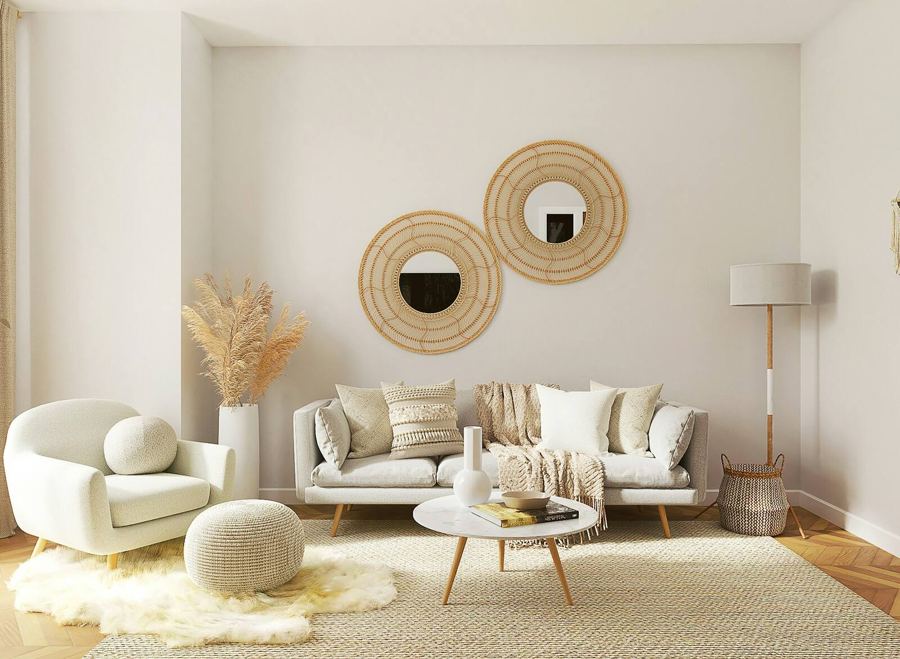
A home does not need a full redesign to feel fresh. After more than 27 years in real estate, these are the 5 changes I come back to again and again.

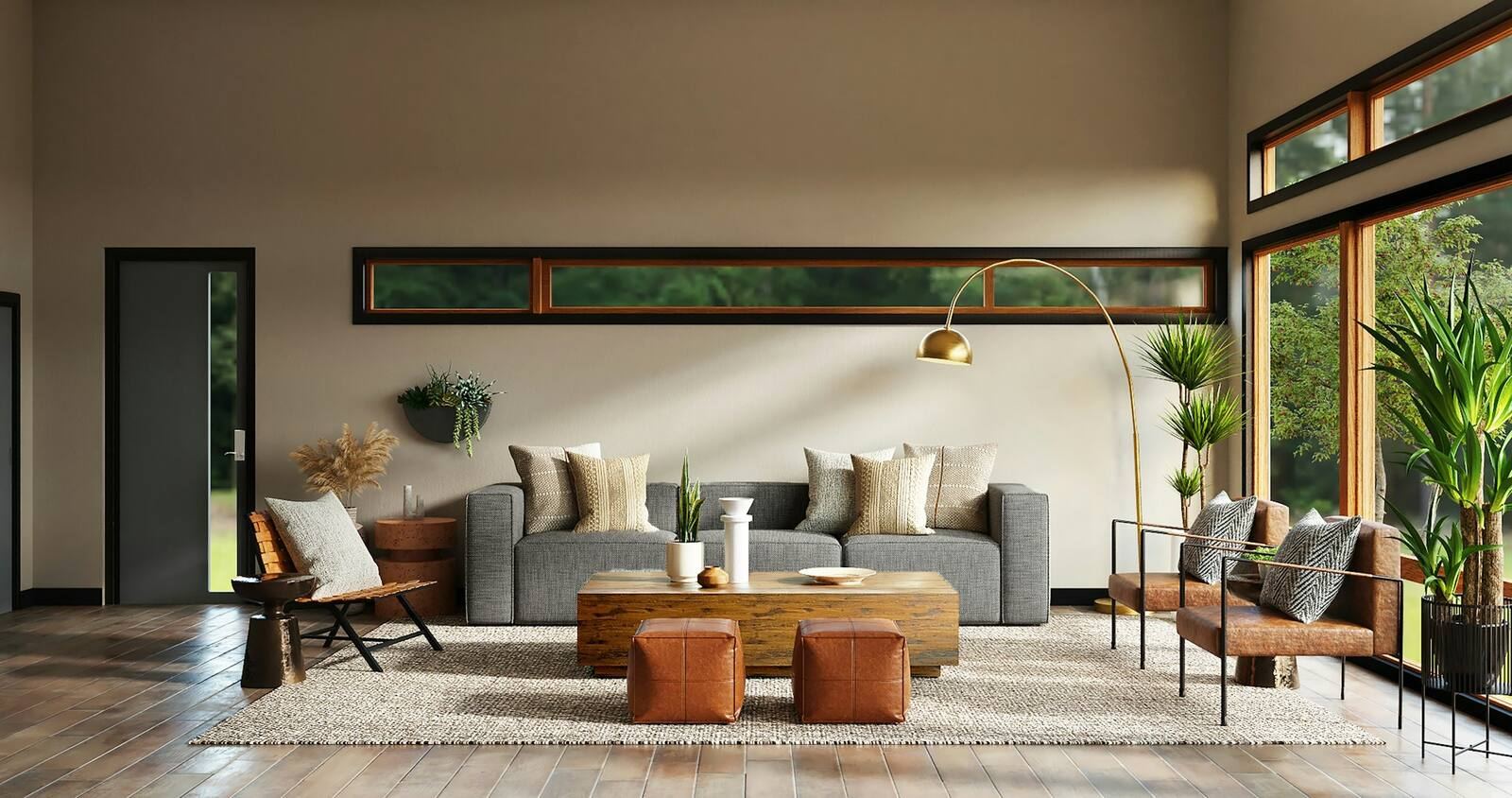
People are often surprised when I walk into their home and the first thing I suggest is taking something away. They expect a shopping list. What they usually need is a fresh pair of eyes.
I have spent more than 27 years in real estate, and I have walked through a great many homes along the way. Some were brand new, some were well loved, and many were somewhere in between. What I have learned is that the homes that feel best are rarely the ones with the most expensive furniture. They are the ones where every room has been thought about.
Good presentation is not about buying more things. Most of the time it comes down to editing, rearranging, organizing and making a few thoughtful choices. These are the 5 changes I come back to again and again.
1. Edit before you add
Before you buy a single pillow, walk through each room and ask what it really needs. Then remove what it does not.
Clear the surfaces first: kitchen counters, the coffee table, the nightstands, the top of the dresser. Take the extra chair out of the corner. Thin out the bookshelf until you can see a little space between things. Put the collection of small frames into a drawer for a week and see if you miss them.
Editing does two things at once. It makes a room feel larger and calmer, and it lets the pieces you love finally stand out. You cannot appreciate a beautiful lamp when it is competing with 14 other objects on the same table.
2. Rethink furniture placement
Most furniture ends up pushed against the walls, usually because that is where it landed on moving day. Pulling a sofa even a few inches off the wall can change the feel of an entire room.
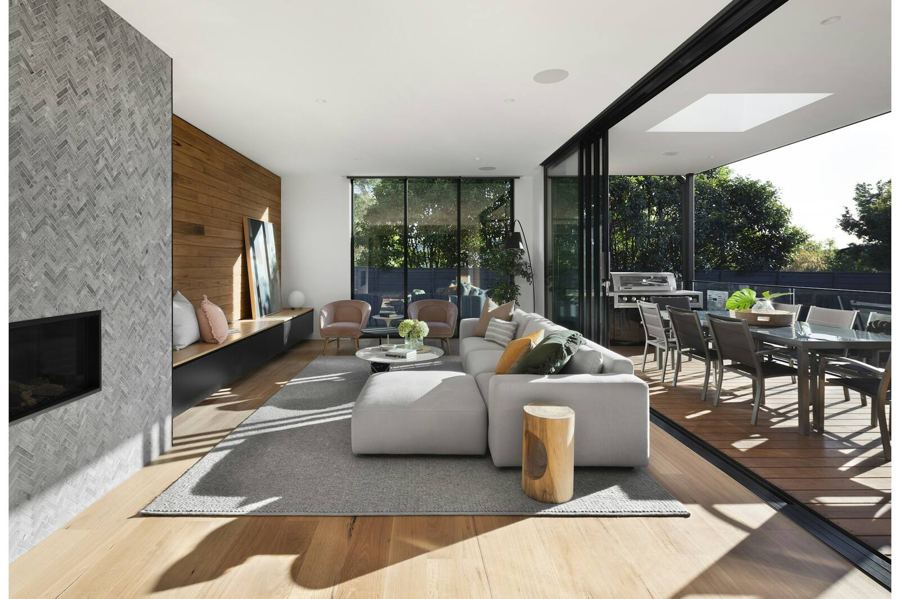
Think about how people actually move through the space. There should be a clear, comfortable path from the doorway to the windows and to the next room. Group seating so people can talk to each other without raising their voices, and anchor that group with a rug that is large enough for at least the front legs of each piece to sit on it.
And look toward the best feature in the room. In South Florida, that is often the light, a water view or the lanai. Arrange the room so it points there, rather than at the television.
3. Introduce texture
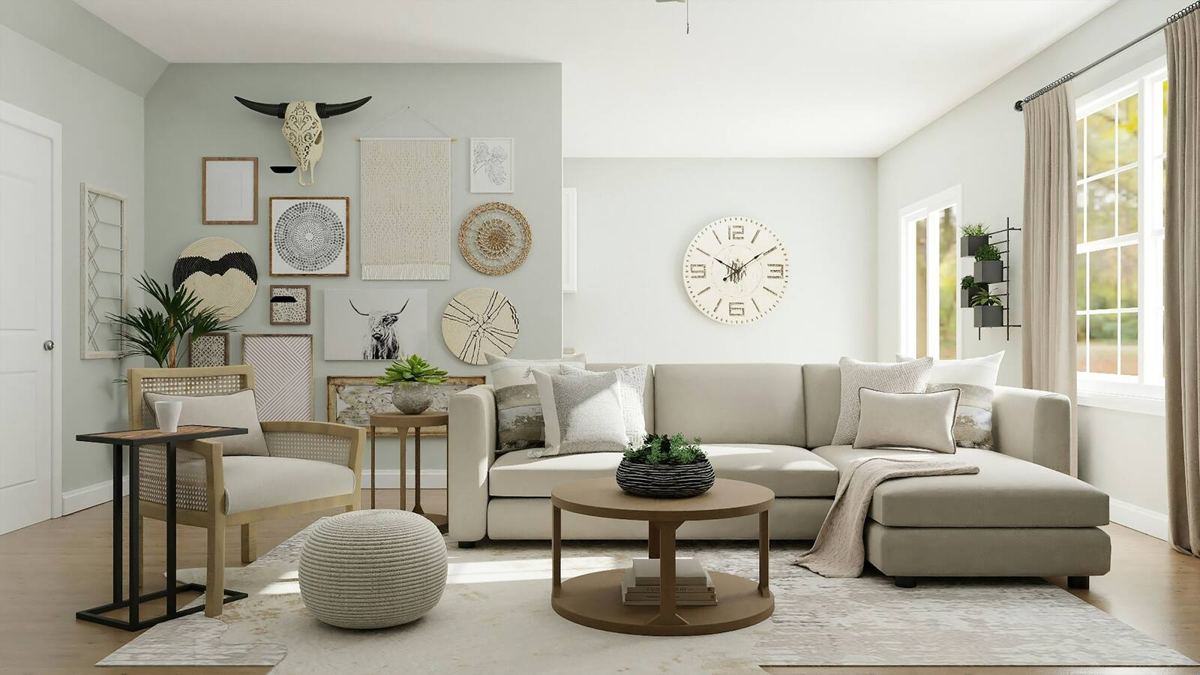
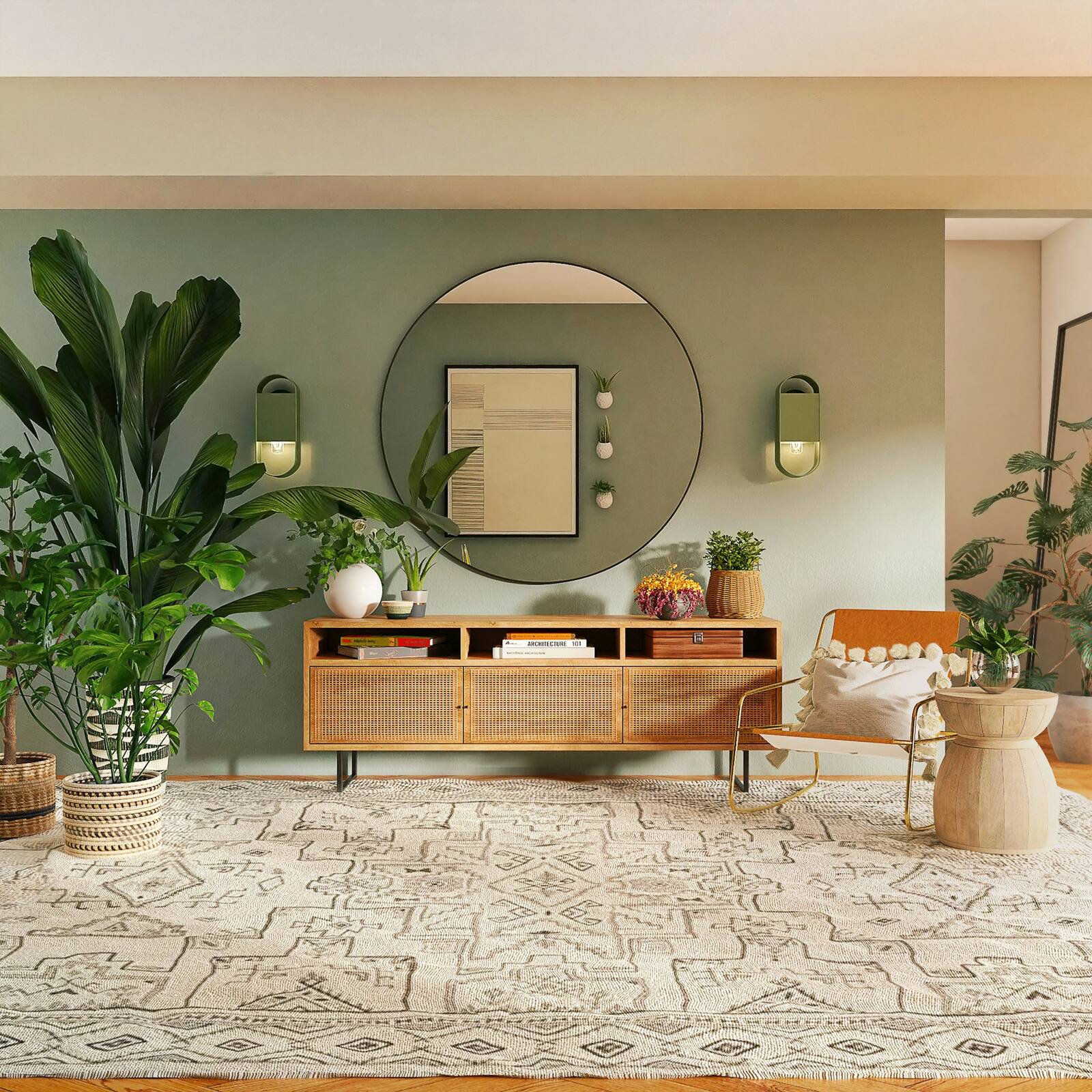
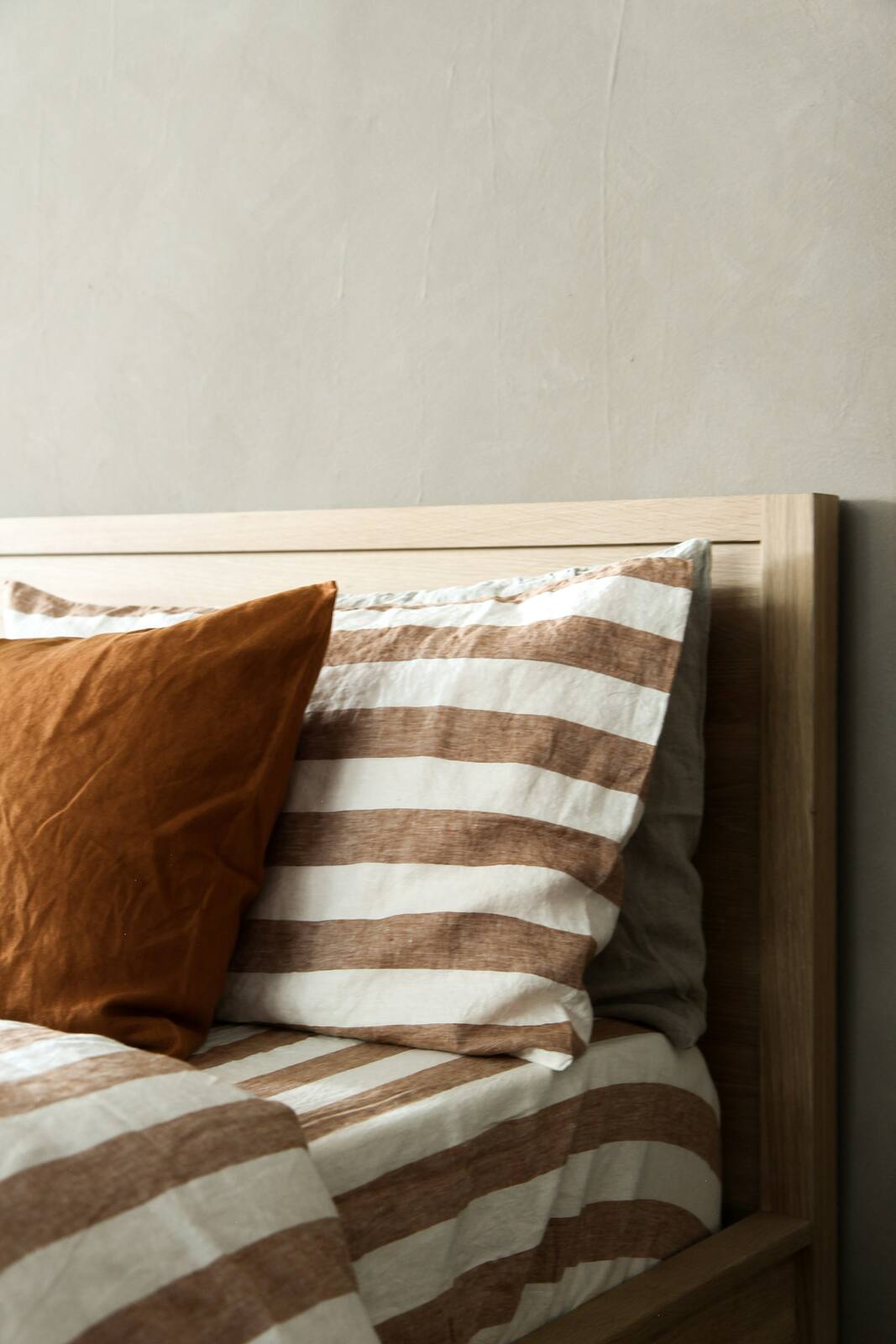
When a room feels flat or a little cold, the answer is usually texture rather than color. Linen, wool, woven baskets, natural wood, stone, ceramics and a few living plants give a room depth and warmth, even in a completely neutral palette.
This is one of the easiest and least expensive changes to make. Swap a shiny polyester throw for a soft knit one. Add a woven basket to hold the blankets. Bring in a wooden tray, a stoneware bowl or a branch from the garden. Mix a few materials in every room so the eye has somewhere interesting to rest.
4. Simplify color
You do not need to paint every wall, but it helps to choose a direction. A home where every room has its own strong color can feel busy and disconnected. A calmer palette that flows from room to room makes the whole home feel larger and more cohesive.
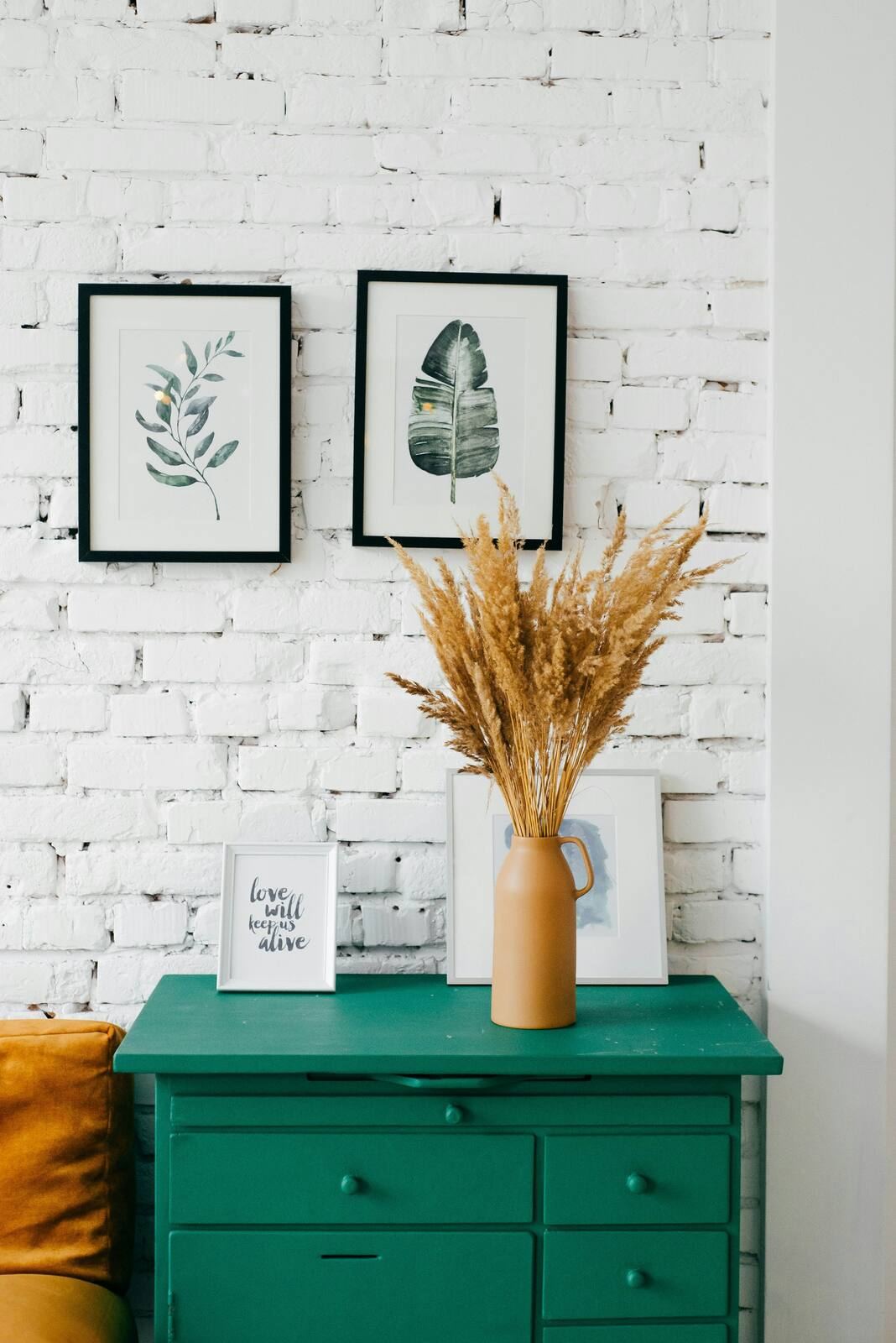
Start with what you already have. Pick 2 or 3 colors you love from your existing furniture, art or rugs, and repeat them through the home in small ways: pillows, a vase, a throw, a print. If a wall color is very dated or very personal, that is usually the one place where a fresh coat of paint is worth the investment.
5. Pay attention to the first impression
The first 10 seconds matter more than people think, and they begin before anyone opens the front door. Look at your home the way a guest would. Is the walkway clear? Is the front door clean, and does the hardware work smoothly? Is there a light on in the entry?
Inside, the entry sets the tone for everything that follows. Keep it clear of shoes, bags and mail. Add something welcoming: a lamp, a mirror, a simple table with one or two pieces that feel like you. Make sure the first room you see is the most finished one in the house.
If you are getting ready to sell
Everything above matters even more when your home is going on the market. Buyers experience a home emotionally before they begin analyzing its features. They decide how a home makes them feel within a few minutes, and then they look for reasons to support that feeling, or to walk away from it.
Square footage, finishes and floor plans all matter, of course. But a buyer who walks into a calm, light, well arranged home starts imagining their own life there. That feeling carries into the online photos, into the showing and into the conversation afterward. In my experience, a few thoughtful changes before the first photo is taken are some of the best investments a seller can make.
If you are staying put
The same principles work just as well when you are not selling. Editing, rearranging and adding a little texture can make a space feel calmer, more current and more enjoyable to come home to. You get the feeling of a new home without the moving boxes.
Start with one room. Spend an afternoon removing what you do not need, moving one or two pieces, and bringing in something natural. Then live with it for a week and notice how it feels.
You don't always need a new home to feel like you're living in a new space. Sometimes a few thoughtful changes are enough to make a lasting impression.